
Jamie was twenty-four when he walked into his first Forge workshop. He almost did not go. He had spent the previous week convincing himself it was not for him — that he was not in a bad enough place, that it was probably for people with real problems, that it would be awkward and he would spend the whole time wishing he had stayed home. He went because a friend texted him about it three times, and eventually it felt easier to say yes than to keep saying no.
He had been struggling with something he could not name for most of his early twenties. Not a crisis — nothing that landed him in A&E or made him call a helpline. Just a persistent low mood that sat at the edges of everything, a tendency to withdraw when things got hard, and a habit of telling himself he was fine when he was not. He worked in Galashiels, lived with two flatmates, and on paper had nothing serious to complain about. That gap between how he looked from the outside and how he felt on the inside was its own kind of exhausting.
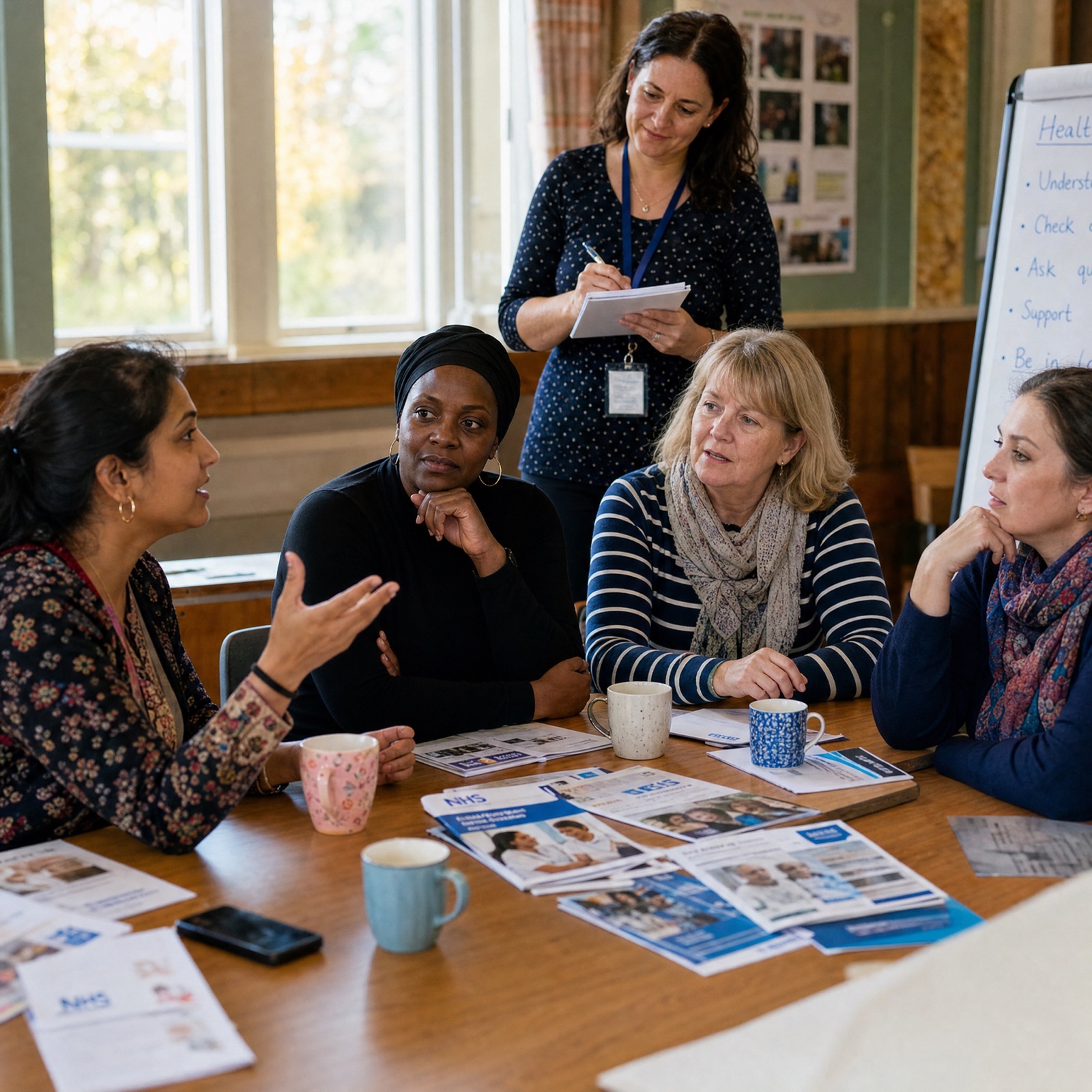
The first workshop was on stress — specifically, how it builds up over time and what happens in the body when it is not given a chance to clear. Jamie had not expected to find it interesting. He had expected to feel talked at. What happened instead was that the facilitator asked the group what stress felt like for them, and three people described exactly what Jamie had been experiencing — the irritability, the restless nights, the sense of always being slightly behind himself. 'I didn't think anyone else felt that way,' he said afterwards. 'I thought it was just me being weird.'
'I didn't think anyone else felt that way. I thought it was just me being weird.'
— Jamie, Forge participant (name changed)
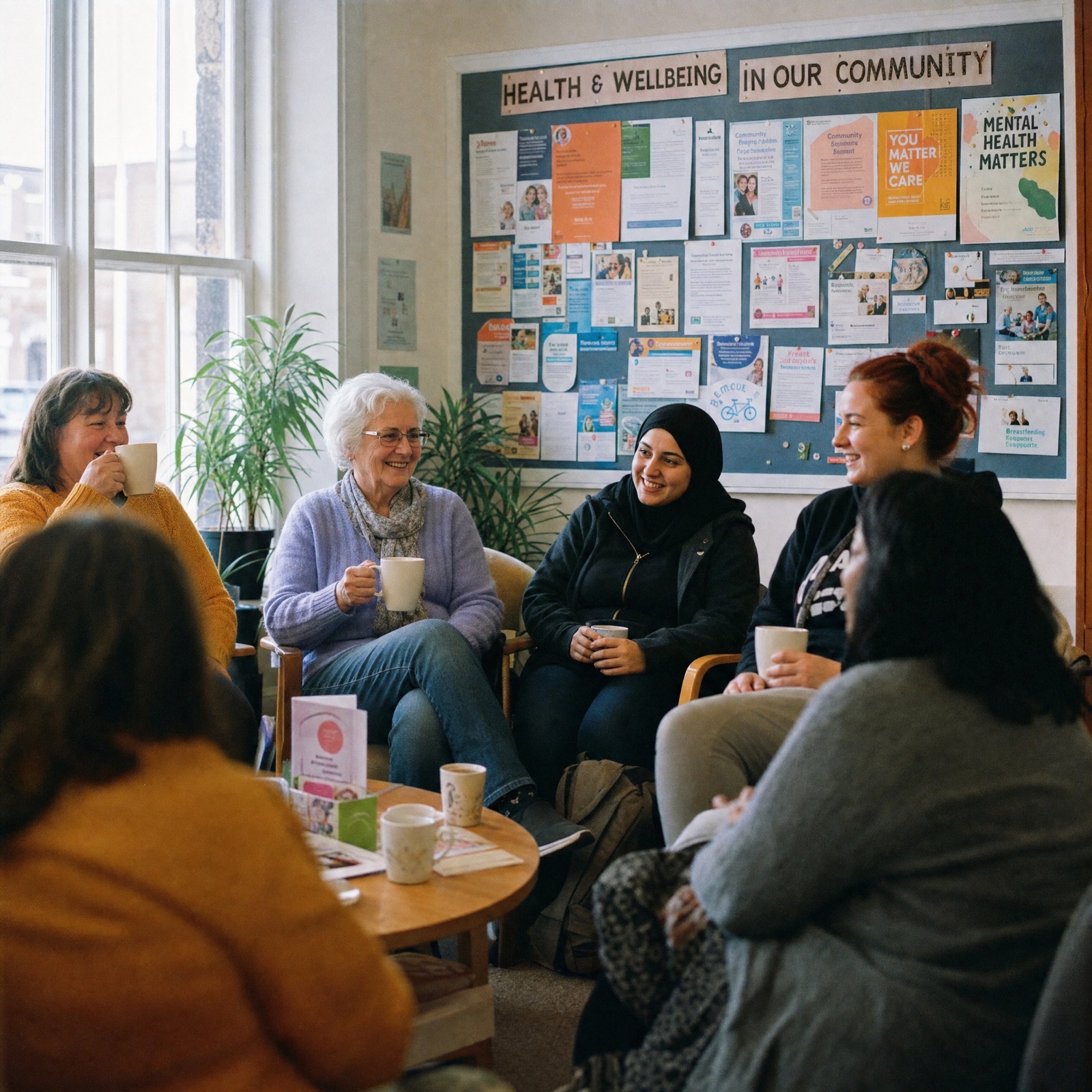
That moment of recognition — ordinary as it might sound — was significant for Jamie. Not because it solved anything, but because it changed the frame. What he had been carrying around as a personal failing started to look more like a human experience that other people navigated too. He came back the following fortnight. And the one after that.
Over the months he attended Forge, Jamie built a small vocabulary for his inner life that he had not had before. He learned to notice when he was avoiding things because he was tired versus when he was avoiding them because of anxiety. He got better at asking for what he needed from the people around him without turning it into an argument. He started seeing his GP — something he had been putting off for over a year — and was referred for some brief counselling. He is not sure he would have taken that step without the workshops.
He is now one of the informal advocates for Forge in his corner of Galashiels. He does not call himself a mental health champion or anything formal like that — it is more that when he notices a friend going quiet, he knows what to say. He mentions Forge the way you would mention a decent mechanic: because it helped, and because that is what you do when something helps.
'If I'm honest, I went expecting it to be a bit naff,' he says. 'I didn't expect to find my people there. But you do.'
Jamie's name has been changed to protect his privacy, and his story is shared here with his full permission.