
Anxiety is one of the most overused words in modern life, and one of the least understood. It is used to describe everything from pre-interview nerves to a constant, grinding dread that makes it hard to get out of bed. That range is part of what makes it so confusing. If someone tells you they have anxiety, you might picture a very specific type of person — and if you do not match that image, you might not recognise what you are feeling as anxiety at all.
At its core, anxiety is your nervous system doing its job. The physical sensations — racing heart, tight chest, shallow breathing, that restless feeling in your legs — are your body preparing to respond to a threat. This is the fight-or-flight response, and it evolved over thousands of years to keep humans alive. The problem is that your nervous system cannot always tell the difference between a predator and an important email from your landlord. It responds with the same urgency either way.
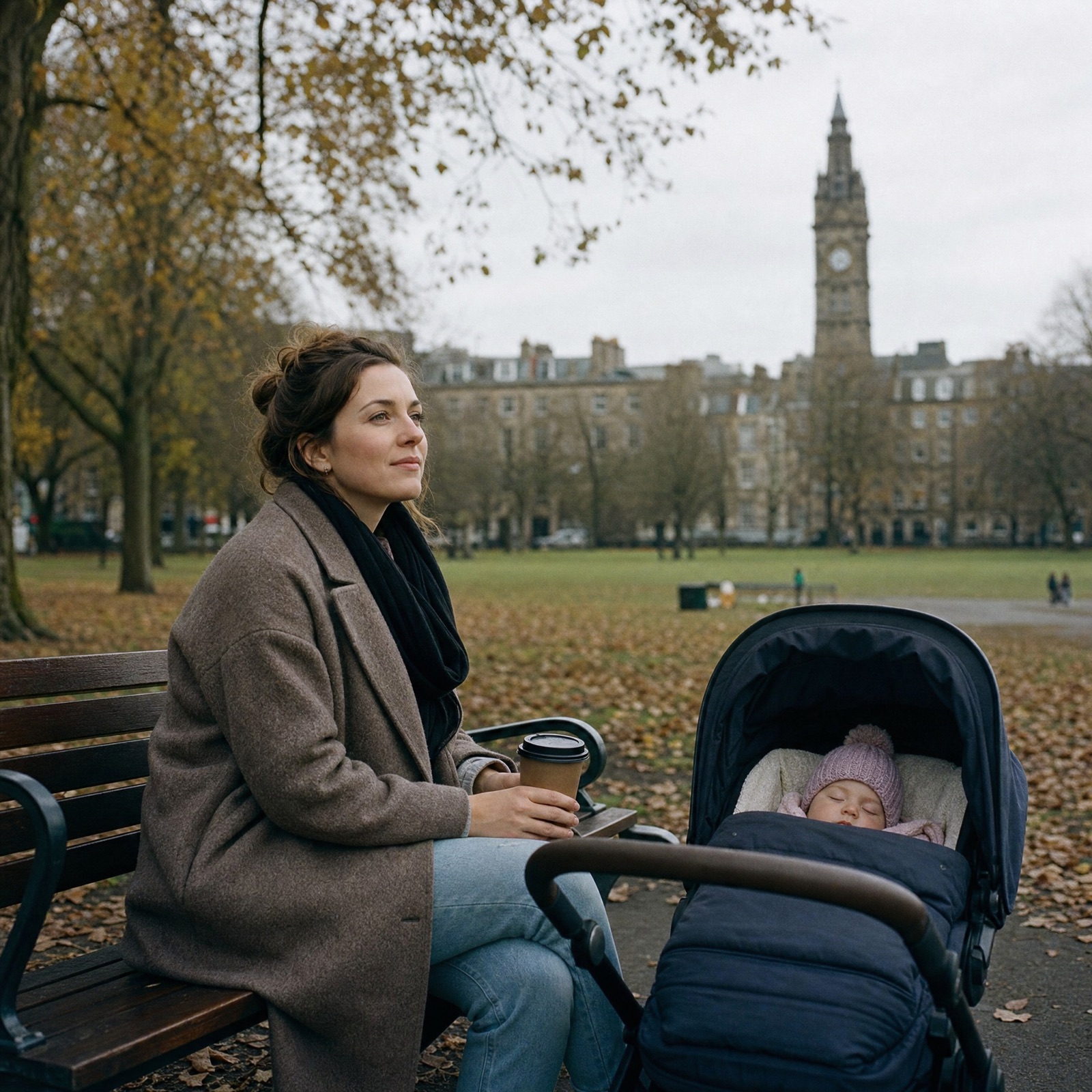
Anxiety shows up differently in different people, which is another reason it is so easy to miss. Some people experience it mostly in their body — sweaty palms, a churning stomach, tension in the shoulders or jaw. Others notice it more in their thoughts — a loop of worst-case scenarios, difficulty concentrating, a constant low-level feeling of waiting for something to go wrong. For others still, it shows up as avoidance: cancelling plans, putting off decisions, or finding reasons not to do the things that matter most to them.
Not all anxiety is a problem. A certain amount of it is useful — it sharpens your focus before a deadline, makes you take a situation seriously, and keeps you alert in genuinely risky moments. The point where it becomes worth paying close attention to is when it is persistent, out of proportion to what is actually happening, or when it starts limiting what you are able to do.
If you have been turning down opportunities, lying awake most nights, or feeling on edge even when things are objectively fine, that is a signal worth listening to.
There are practical tools that can help in the moment. Grounding techniques — like focusing on five things you can see, four you can touch, and three you can hear — interrupt the anxious spiral by pulling your attention back into your body and the present. Slow, deliberate breathing activates the parasympathetic nervous system, which is the body's natural brake on the stress response. Try breathing in for four counts, holding for four, and out for six. Neither technique is a cure, but both are real first-aid tools that cost nothing and can be used anywhere.
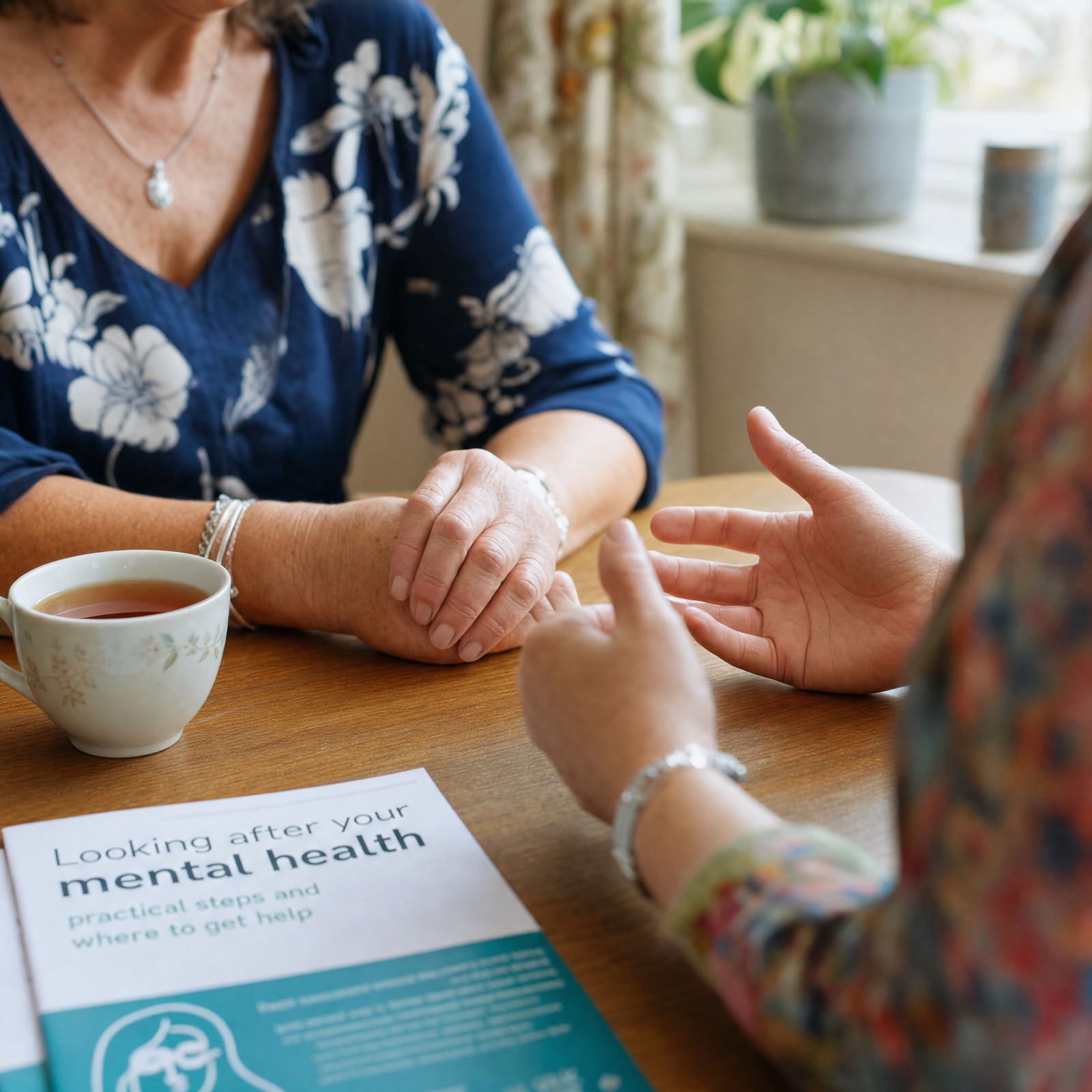
If anxiety has been a regular feature of your life for a while, talking to someone is worth considering — whether that is a GP, a counsellor, or a peer support setting like a Forge workshop. There is a common fear that seeking help means being told something is seriously wrong, or being put on medication, or having to talk through your entire childhood. In reality, a first conversation is just a first conversation. You are allowed to go in, say what is happening for you, and see what feels useful.
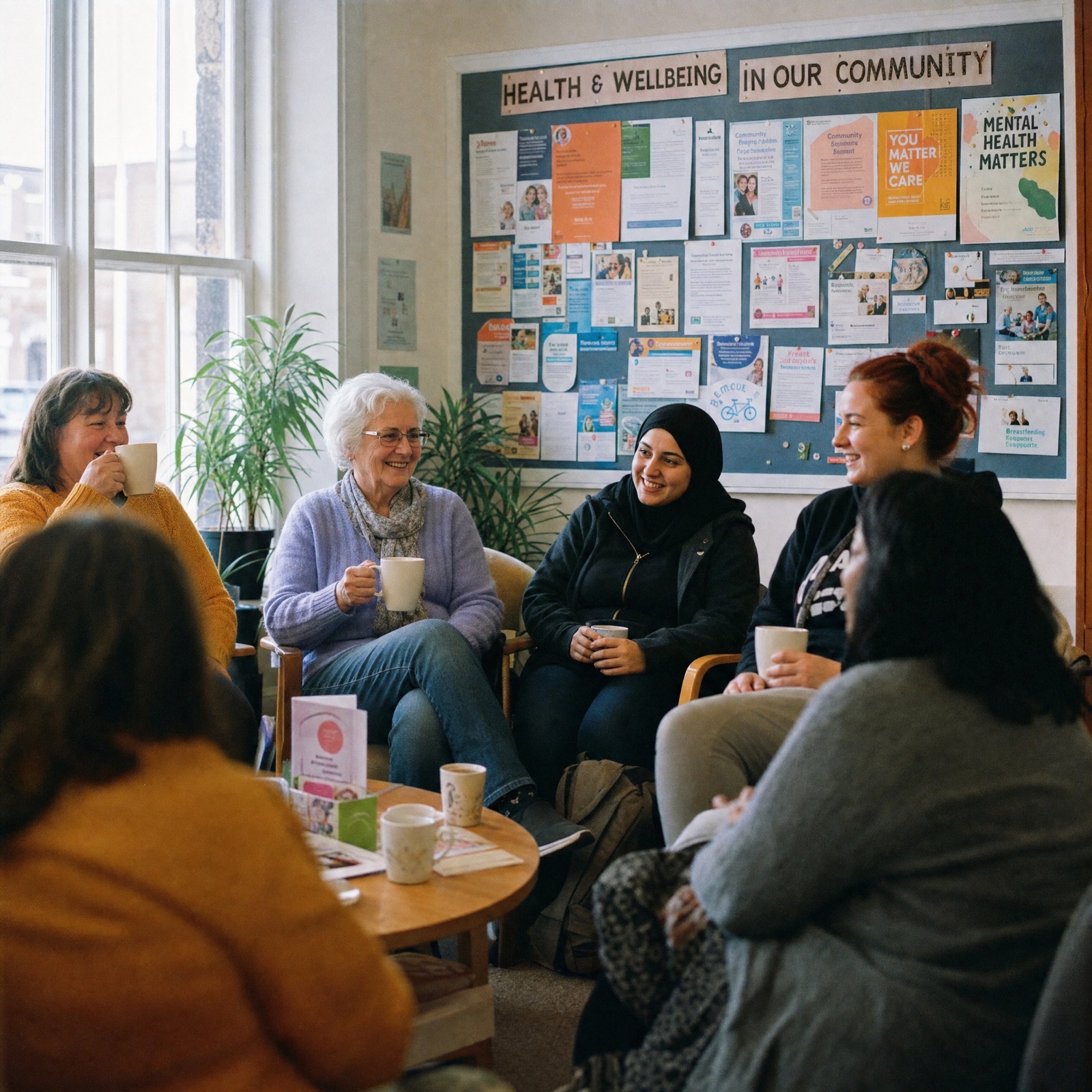
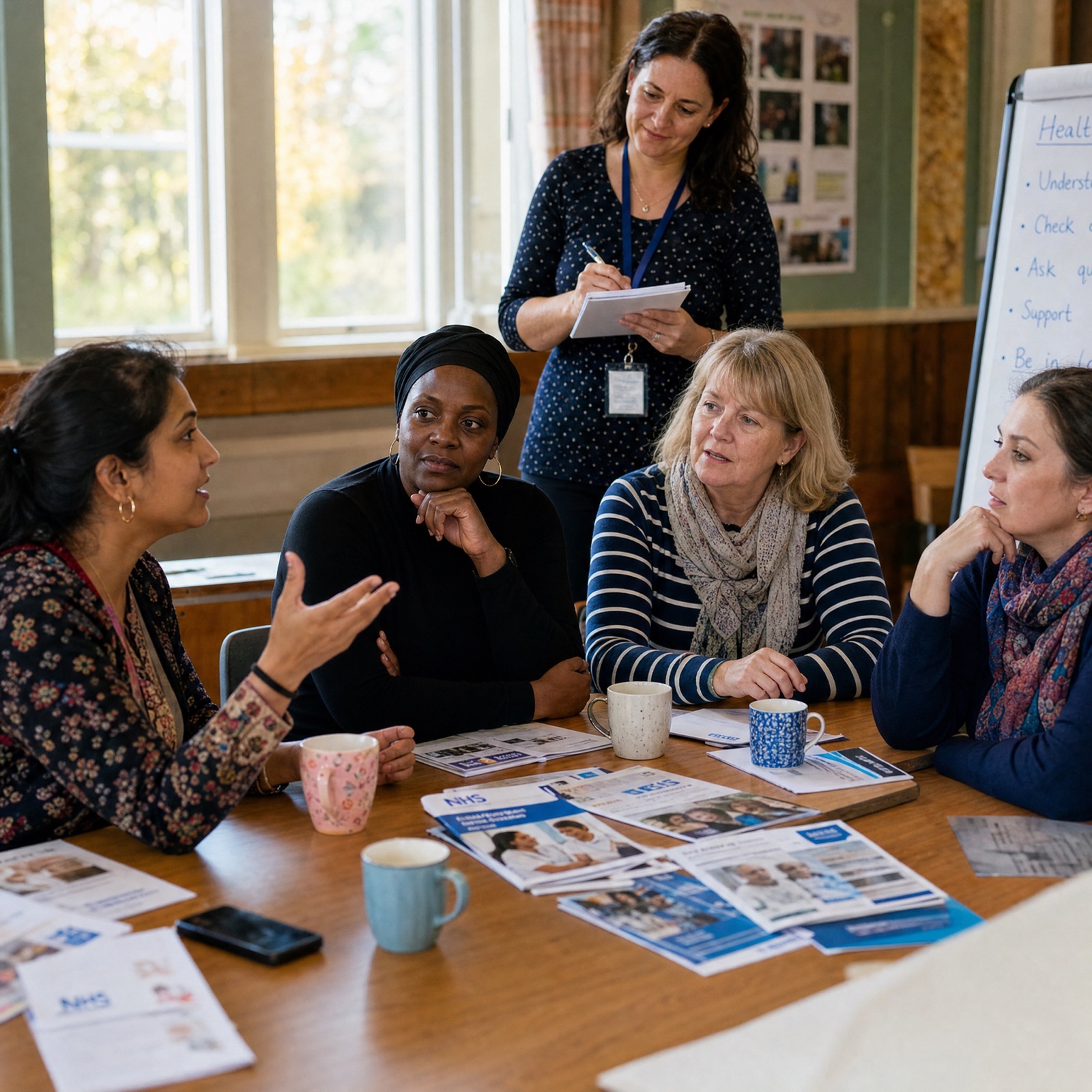
At Forge, we talk about anxiety often — not as a clinical category, but as a human experience that many of us share. Our workshops in Galashiels are a space to make sense of what you are feeling, hear how others navigate similar things, and pick up practical approaches that actually fit your life. If that sounds like something you would find useful, we would like to hear from you.
Remember: if you are in crisis or need immediate support, please contact Samaritans on 116 123 (free, 24/7), or your GP, or NHS 24 on 111. Forge is a peer-led space for understanding and connection — it is not a crisis or emergency service.