
Galashiels sits in the heart of the Scottish Borders, a town shaped by centuries of textile industry and a strong sense of community that still runs through its streets today. But like many post-industrial towns, it carries quiet pressures — economic uncertainty, limited local services, and a culture that can make talking about your feelings feel like something other people do. For young adults between eighteen and thirty, that silence can be suffocating. Forge exists to break it.
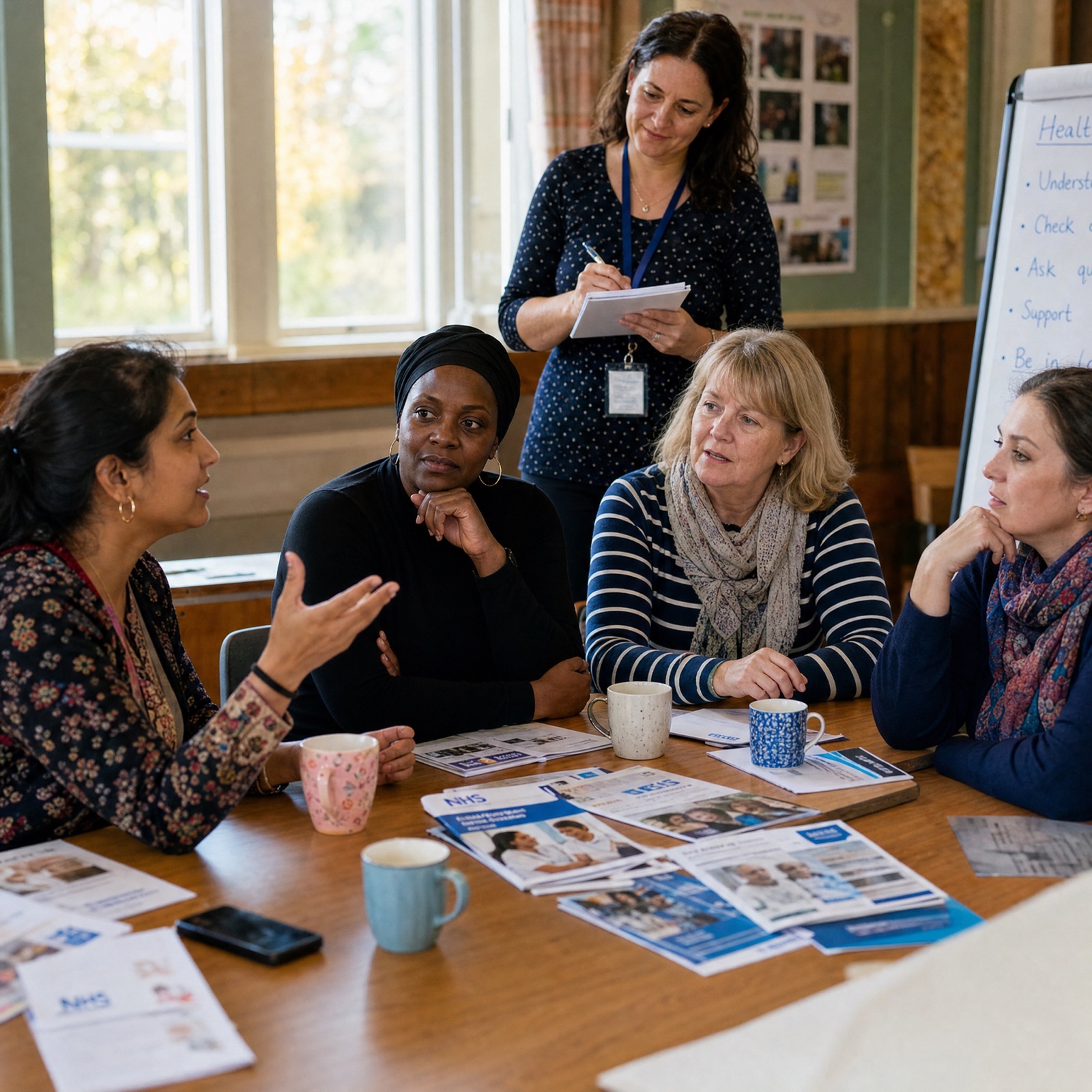
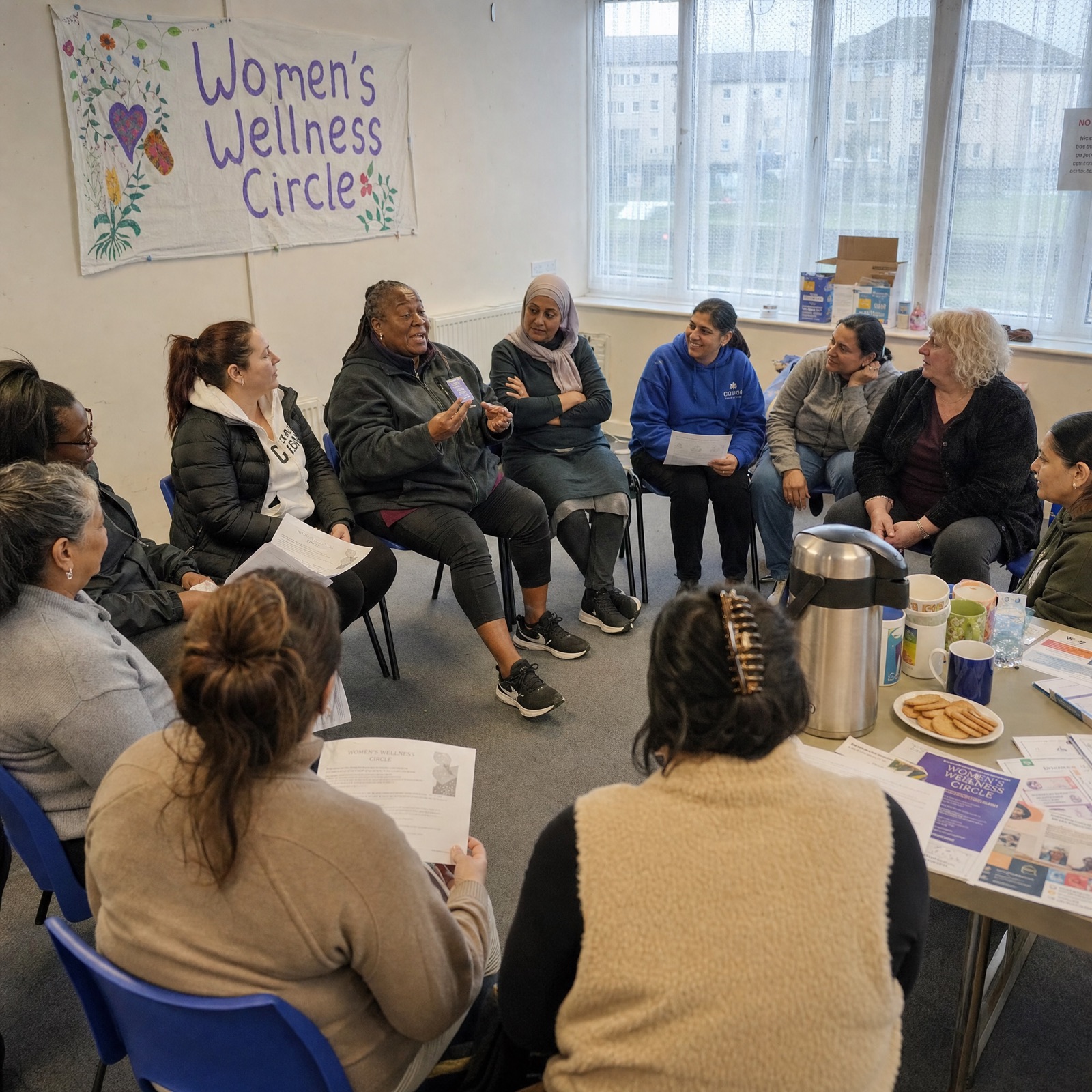
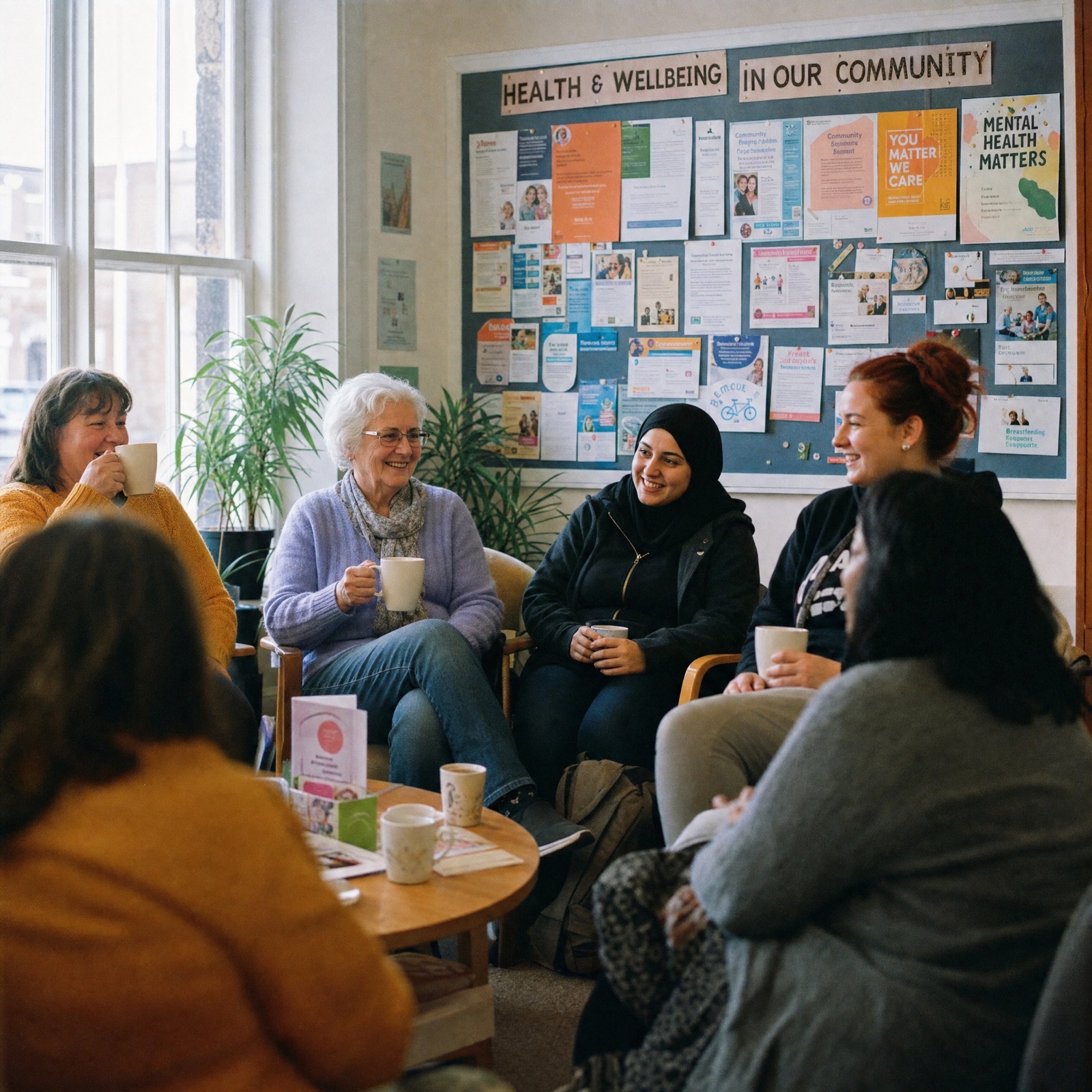
Every fortnight, a small group gathers in a comfortable, informal venue in Galashiels for a Forge peer workshop. There are no clipboards, no intake forms to fill out in a waiting room, no professional sat behind a desk. What you find instead is a circle of chairs, a kettle on in the corner, and a facilitator who is not there to diagnose you but to help the conversation move. The agenda shifts depending on who turns up and what is on their minds — that flexibility is deliberate.
Forge is built on a simple insight: for many young people, the barrier to getting mental health support is not willingness — it is the clinical language and formal structures that surround it. When someone is told they need to attend a psychoeducational intervention or complete a standardised wellbeing questionnaire, they often switch off before they have begun. Forge strips that away. Facilitators use plain language, draw on shared experience, and treat participants as the experts on their own lives.
Workshops cover a wide range of themes — managing stress during uncertain job hunts, understanding how sleep affects mood, building confidence in relationships, recognising when low feelings have been around too long. None of it is abstract. Everything is grounded in the kind of week a twenty-three-year-old in a Borders town might actually be having. That specificity matters. It is the difference between feeling like information applies to you and feeling like it was written for someone else entirely.
The people who come to Forge are as varied as the town itself. Some have already seen a GP and are waiting for further support. Some have never spoken to anyone about how they are feeling and are not ready to call it a mental health issue. Some just want to understand themselves better — to get a clearer picture of why they feel flat on certain days or why social situations drain them. All of that is valid at Forge, and none of it requires a label.
What participants consistently say is that the workshop does not feel like help in the way they expected help to feel. There is no hierarchy in the room. Someone sharing their experience of anxiety across a table can do more to reduce shame than a pamphlet ever could. That peer dynamic — the recognition that the person sitting next to you has been in a similar place — is the engine of what Forge does.
If you are a young adult in Galashiels or the surrounding Borders area and you are curious about what Forge offers, you do not need a referral or a diagnosis to come along. You just need to show up. Workshops are free, confidential, and open to anyone aged eighteen to thirty. Get in touch through our website or social media to find out when the next session is running — we would love to see you there.